






Eco-Friendly Building Solutions: How Shipping Containers Support Sustainable Construction
Summary
Shipping containers offer a practical way to support more sustainable construction by repurposing durable steel structures for new uses. From modular offices and storage facilities to equipment enclosures and energy infrastructure, container-based solutions can help reduce material waste, streamline construction, and provide flexible, long-lasting spaces. With the right modifications, shipping containers can also incorporate energy-efficient features that support the environmental and operational goals of modern building projects.
A More Sustainable Approach to Modern Construction
Sustainability has become a major consideration in modern construction. Businesses, developers, municipalities, and architects are all looking for ways to reduce waste, improve efficiency, and minimize environmental impact without sacrificing performance.
One solution gaining traction across industries is the use of shipping containers as sustainable building blocks. Originally engineered for global freight transportation, shipping containers can be repurposed into offices, equipment enclosures, retail spaces, educational facilities, storage buildings, and countless other applications. Their durability, adaptability, and modular design make them a practical and environmentally conscious alternative to many traditional construction methods.
Why Shipping Containers Are Considered Sustainable
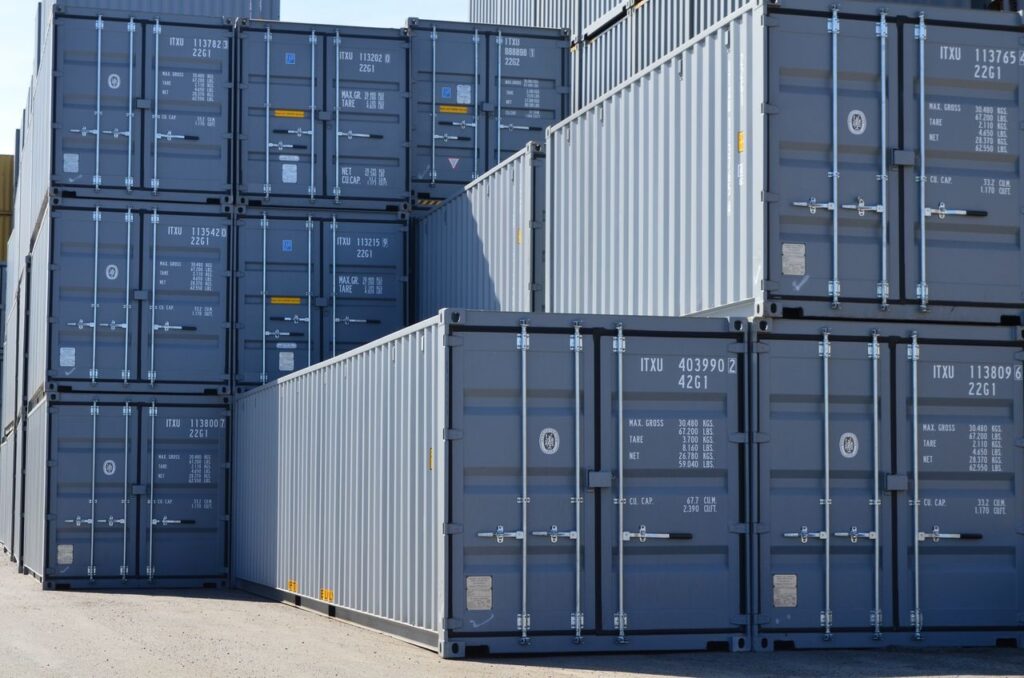
The most significant sustainability benefit of shipping containers is adaptive reuse. Rather than manufacturing an entirely new structure from raw materials, organizations can repurpose an existing steel container into a functional building.
By extending the useful life of a container, businesses can reduce demand for new construction materials while diverting usable steel structures from the waste stream. The result is a more efficient use of resources and a lower overall environmental footprint.
Reduced Construction Waste
Traditional construction projects often generate significant material waste throughout the building process. Lumber, drywall, concrete, packaging materials, and other excess products frequently end up in landfills.
Shipping container construction starts with a pre-engineered structural shell, reducing the amount of material required to complete a project. Fewer raw materials, fewer structural components, and less on-site construction typically translate into less waste and a more streamlined building process.
Faster Construction with Less Site Disruption
Time is an often-overlooked sustainability factor.
Because shipping containers provide a ready-made structure, much of the modification work can be completed off-site before delivery. This approach reduces construction activity, shortens project timelines, and minimizes disruption to surrounding properties.
For businesses that need to deploy offices, storage facilities, utility enclosures, or modular workspaces quickly, container-based construction can offer significant advantages over traditional building methods.
Supporting Modular and Scalable Design
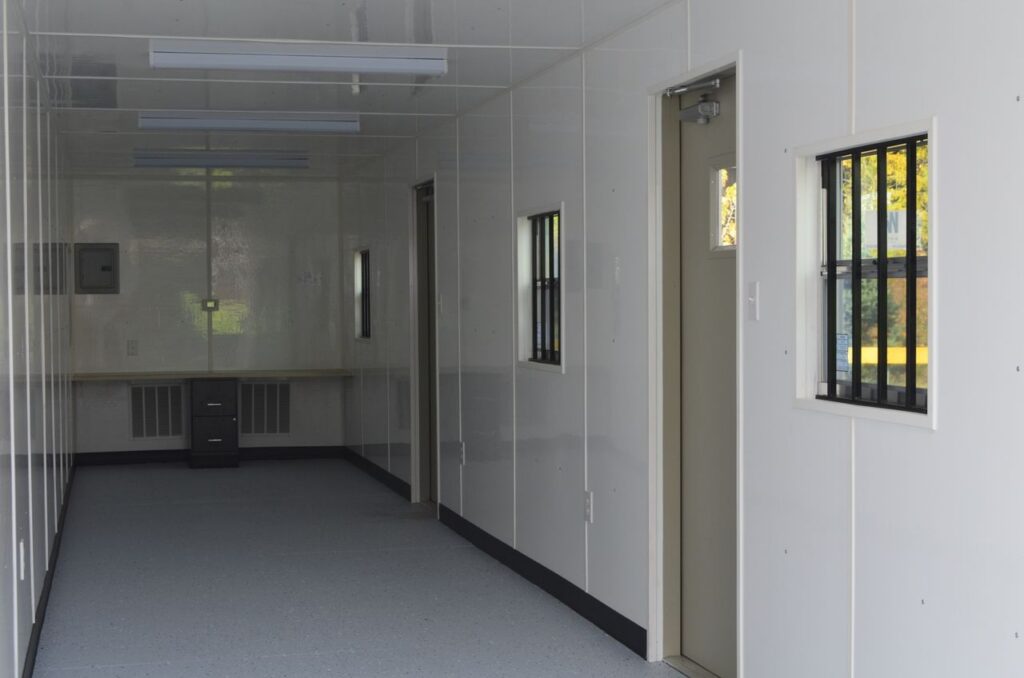
Shipping containers are inherently modular. Designed to stack, connect, and transport efficiently, they can be combined to create larger structures while maintaining flexibility for future expansion.
This modular approach supports a wide range of sustainable applications, including:
- Modular offices
- Retail and hospitality spaces
- Educational facilities
- Equipment and utility enclosures
- Workforce accommodations
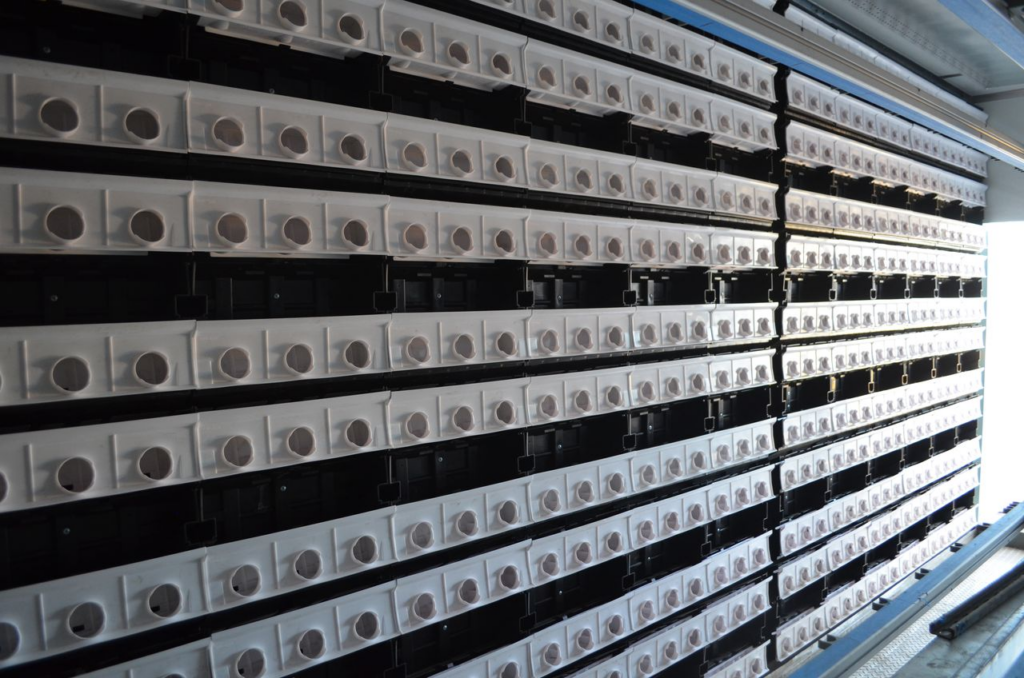
- Energy storage and power generation facilities
As needs evolve, additional containers can be added, relocated, or repurposed without requiring an entirely new build.
Long-Lasting Durability
Sustainable buildings should be built to last.
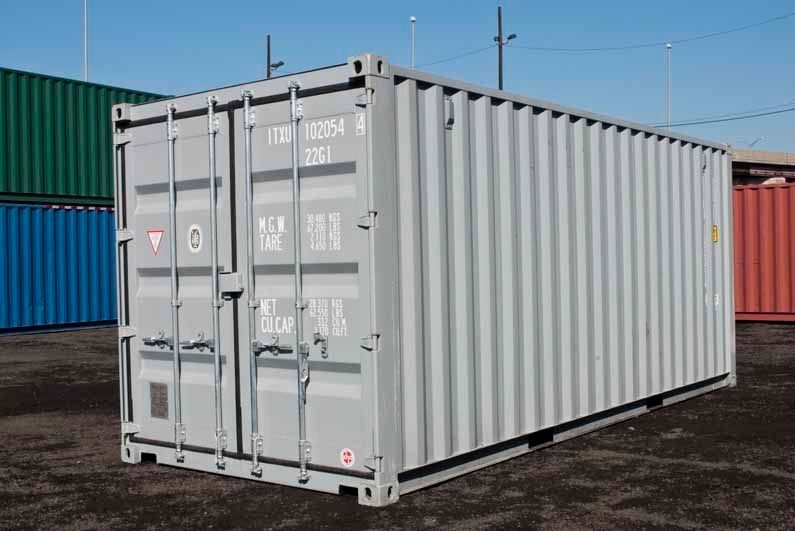
Shipping containers are constructed from heavy-duty Corten steel and engineered to withstand harsh weather, demanding environments, and decades of use. Their inherent durability reduces the need for frequent repairs, replacements, or rebuilding—helping conserve resources over the life of the structure.
For applications ranging from construction sites to municipal infrastructure projects, container-based buildings provide a dependable long-term solution.
Opportunities for Energy Efficiency
Modern container modifications can be designed with energy efficiency in mind.
Common upgrades include:
- High-performance insulation
- Energy-efficient HVAC systems
- LED lighting
- Smart building controls
- Solar integration
- Natural daylighting solutions
These enhancements help reduce energy consumption while improving occupant comfort and overall building performance.
Ideal for Relocatable and Temporary Applications
One of the unique advantages of container-based construction is mobility.
Unlike traditional structures that remain fixed in place, shipping containers can be relocated and redeployed as project requirements change. This flexibility helps organizations avoid the cost and waste associated with demolishing temporary buildings and constructing new ones elsewhere.
Industries such as construction, utilities, government, education, and event management frequently benefit from the ability to move infrastructure where it is needed most.
Common Sustainable Shipping Container Applications
Today, shipping containers are being used for far more than cargo transport. Common sustainable building applications include:
- Modular offices
- Pop-up retail environments
- Equipment enclosures
- Energy storage systems
- Indoor farming operations
- Educational facilities
- Workforce housing
- Municipal and public sector projects
- Portable storage solutions
Their versatility allows organizations to meet operational needs while supporting broader sustainability goals.
Build Smarter with Shipping Containers
Sustainable construction is about more than reducing environmental impact—it’s about creating efficient, durable, and adaptable solutions that deliver long-term value.
By repurposing existing steel structures, reducing construction waste, supporting modular design, and enabling faster project deployment, shipping containers have become an increasingly attractive option for environmentally conscious building projects.
Whether you’re developing a modular office, utility enclosure, storage facility, or custom commercial space, shipping containers offer a practical path toward more sustainable construction.
Looking for a sustainable building solution? Interport’s team can help you transform a standard shipping container into a customized space designed for your unique application. Get a quote today or shop online.
Frequently Asked Questions
Are shipping containers environmentally friendly building materials?
Shipping containers can support sustainable construction by repurposing existing steel structures, reducing the need for new building materials, and minimizing construction waste compared to many traditional building methods.
How do shipping containers reduce construction waste?
Because containers provide a pre-engineered structural shell, fewer materials are required during construction. This can help reduce excess lumber, drywall, and other jobsite waste.
Can shipping container buildings be energy efficient?
Yes. Shipping containers can be outfitted with insulation, energy-efficient HVAC systems, LED lighting, solar power systems, and other features that improve energy performance.
What types of buildings can be made from shipping containers?
Shipping containers can be converted into offices, retail spaces, equipment enclosures, storage facilities, educational buildings, modular workspaces, indoor farming units, and hospitality environments.
Are shipping container buildings durable?
Yes. ISO shipping containers are built from heavy-duty Corten steel and designed to withstand harsh weather and demanding transportation environments, making them exceptionally durable for many building applications.
Can shipping container structures be relocated?
One of the key advantages of container-based construction is portability. Depending on the design and installation, many container structures can be moved and redeployed as business needs change.