






What Makes a Shipping Container Cargo Worthy? A Step-by-Step Look at a Shipping Container Inspection
Summary
Short answer: A cargo-worthy container is a new or used shipping container which has passed a structural inspection and is suitable for shipping cargo overseas.
The structural inspection considers all previous repairs as well as current wear and deterioration focusing on: all structural components, doors, flooring, interior contamination risks as well as identification placards. General appearance is not necessarily a consideration.
Interport sells new and used shipping containers and can arrange for the inspection but does not ship units; a freight forwarder manages the actual international shipping logistics.
What to know when buying a cargo-worthy container
Start with the containers intended use. If it will carry cargo overseas, ask for a new or used cargo-worthy container and confirm whether a current inspection and certificate are required for the planned shipment. Next, decide on the following:
- Choose the size and height. Common options include 10-foot, 20-foot, 40-foot, and or high-cube containers. Standard units are 8-feet, 6-inches high, while high-cubes offer an additional foot of height, measuring 9-feet, 6 inches high.
- Choose the condition category. New or one-trip containers may have minor handling marks; used cargo-worthy containers can show more wear and tear while remaining structurally suitable. Wind-and-watertight containers are generally intended for storage rather than import or export.
- Confirm inspection and documentation needs. Interport can arrange the cargo-worthy inspection and provide the resulting report or certificate for the identified container, while a freight forwarder coordinates carrier acceptance and the broader international shipping process.
It’s simple. If you need a container to ship overseas, buy a new or used cargo worthy (CW) container. If you’re strictly looking for a storage container, a wind and watertight container can do the job and be a cost-effective option but note a “storage grade” container cannot be shipped.
So, what makes a shipping container cargo worthy, and what does a shipping container inspection actually involve?
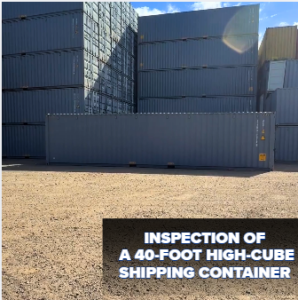
Interport recently filmed a shipping container inspection in our container yard using a new 40-foot high-cube container. The inspection covered the container’s structure, doors, floor, identification markings, and documentation, while showing how an inspector distinguishes cosmetic wear from damage that can affect cargo-worthiness.
What Is a Cargo-Worthy Shipping Container?
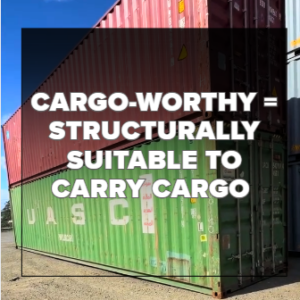
In the context of this inspection, a cargo-worthy shipping container is a specific unit that has been inspected and approved as suitable for carrying cargo overseas, subject to the applicable carrier, terminal, and destination requirements. The inspection evaluates the container’s structural condition and identifies damage or other issues that could affect safe transport.
The term cargo worthy has two related meanings. In the container sales market, it is a condition category used for a new or used container that is structurally suitable for cargo service. For a specific overseas shipment, however, the container may also need a current cargo-worthy inspection and documentation tied to that exact unit. A sales label alone should not be assumed to satisfy every carrier, terminal, or destination requirement, so buyers should confirm the required documentation and inspection timing with their freight forwarder or carrier.
This is particularly important with used containers, where age, previous repairs, corrosion, and wear can all affect the inspection.
How a Cargo Worthy Shipping Container Inspection Works
The container examined in the inspection was a new 40-foot high-cube. A new container generally requires less scrutiny than an older, heavily used container because it has not accumulated years of wear, repairs, and exposure to the elements. However, that does not mean it automatically passes inspection without examination.
The inspector checks the container’s major structural components, including the undercarriage and crossmembers. These components help support the container and contribute to its overall structural integrity.
During the inspection, a minor issue was identified on one of the crossmembers. After evaluating the condition, the inspector determined that the issue did not prevent the container from being considered cargo-worthy.
That illustrates an important point: not every defect or imperfection automatically means a container fails inspection. The nature, location, severity, and structural significance of the damage all matter.
1. Exterior, Structural Components, and Doors
The inspection also examines the container’s side panels, corner posts, doors, and other exterior components.
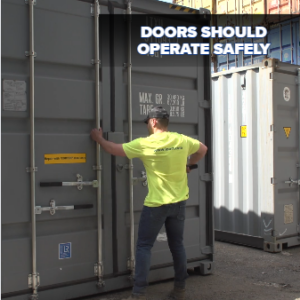
The doors are particularly important because they need to operate safely and properly. An inspector looks for conditions that could interfere with the doors opening, closing, or securing as intended.
Cosmetic imperfections, including some dents and surface rust, do not disqualify a container. A container can show signs of handling or exposure and still meet the requirements for cargo use.
Structural damage is a different matter.
For example, the inspector pointed out a damaged corner post that required repair. The damage exceeded an acceptable depth and affected the container’s dimensions taking it outside the ISO dimensions. Unlike a minor cosmetic mark, this type of structural issue needs to be addressed.
2. Why the Shipping Container Floor Matters
The floor is another important part of the inspection.
Inspectors look for physical damage, but they also consider whether the floor could contaminate the cargo being transported. Simply having dirt on a container floor does not necessarily mean the container cannot be used.
Transferable substances are a different concern.
Heavy grease, oil, or other material that could transfer to cargo may make the container unsuitable, particularly when the type of cargo is unknown. This can be especially important when containers may be used to transport household goods, clothing, furniture, or other items that could be damaged or contaminated by residue.
Odors can also be an issue. A strong or persistent odor may raise concerns about what was previously transported in the container and whether the container is appropriate for its intended use.
For sellers and buyers alike, the takeaway is simple: a container should be evaluated not only for structural condition, but also for its suitability for the cargo it may carry.
3. Container Identification and Cargo-Worthy Documentation
A cargo-worthy inspection report applies to a specific container, so proper identification is an important part of the process.
During the inspection, the container’s identification number is recorded. In this case, the inspector obtains the information from the container’s data plate and records the unit’s ITXU identification number on the report. Because the ITXU prefix is exclusive to Interport, any container bearing an ITXU number is an Interport container.
This ensures that the inspection documentation corresponds to the actual container being evaluated.
The resulting documentation may be called a cargo-worthy certificate or cargo-worthy inspection report. It should identify the inspected unit and record the inspector’s findings. It is the prelude document required by shippers to start the carrier acceptance process for International shipping.
New vs. Used Containers: What “Cargo Worthy” Means
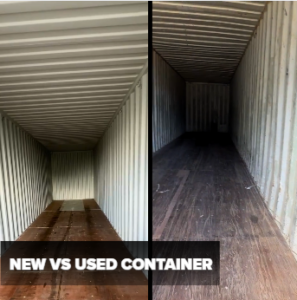
One of the biggest differences between new and used containers is physical condition.
With a new container, the inspector is primarily looking for manufacturing or current handling issues that could affect its structural condition.
A used container presents a much more complicated picture.
A container may have:
- Significant surface rust
- Previous repairs
- Damaged or repaired corner posts
- Floor damage
- Worn structural components
- Evidence of previous cargo or contamination
- Multiple areas of age-related deterioration
The challenge is determining which conditions are cosmetic, which have been properly repaired, and which could compromise the container’s structural integrity. All of these conditions are considered together to determine how they affect the container’s structural cargo-worthiness.
A used container that looks rough may still be structurally sound and capable of passing an inspection. At the same time, a seemingly minor defect in a critical structural component can be enough to require repair before the container is considered cargo worthy.
That’s why evaluating used containers requires experience and an understanding of how the different components work together.
Why Proper Shipping Container Repairs Matter
Repairs are a normal part of the life of shipping containers, particularly used equipment. The presence of a repair does not automatically mean that a container is unsuitable for cargo.
The important questions are what was damaged, how significant was the damage, and was the repair properly completed?
Inspectors need to evaluate the underlying structure rather than simply judging a container by its appearance.
This is also why buyers should be cautious about relying solely on a seller’s description or commercial designation of a container. Leasing companies, shipping lines, and other organizations may have their own criteria for evaluating equipment, and those criteria may not always be identical to an independent inspector’s assessment.
When cargo-worthiness matters, structural soundness and safety should be the priority.
Shipping Container Inspection Checklist for Buyers
For anyone purchasing a shipping container, the inspection process offers several useful takeaways.
- Look beyond appearance. Dents, surface rust, and other cosmetic imperfections don’t necessarily indicate a structural problem.
- Pay attention to structural components. Corner posts, crossmembers, undercarriage components, and other structural areas deserve particular attention.
- Check the doors. They should operate safely and properly.
- Examine the floor. Look for physical damage as well as grease, oil, odors, or other conditions that could affect the cargo.
- Verify the container’s identification. Inspection documentation should correspond to the specific container being purchased.
- Ask about repairs. Repairs are not inherently a problem, but their quality and location matter.
- Confirm what “cargo worthy” means for your purchase. Ask whether the term describes the container’s sales condition, a completed inspection for overseas shipping, or both. If the container will be exported, verify the current requirements with the freight forwarder or carrier handling the shipment.
A Cargo Worthy Inspection Is About More Than a Sticker
A cargo-worthy inspection is ultimately an assessment of the container’s condition, structure, and suitability for transporting cargo.
For new containers, the process may be relatively straightforward, but even new equipment should be examined for structural issues. For used containers, the inspector’s experience becomes particularly important in distinguishing normal wear and cosmetic damage from conditions that could affect safety or compliance.
Whether you are purchasing a new or used shipping container, understanding what goes into a shipping container inspection can help you make a more informed decision and determine whether the unit is appropriate for its intended use.
Interport sells new and used shipping containers in a range of sizes and configurations and can arrange for a container inspection when needed. Interport does not manage the actual overseas shipping logistics. A freight forwarder coordinates services such as booking transportation, documentation, drayage, customs-related steps, and shipment routing. Before purchasing, confirm the shipment requirements with your freight forwarder so the container, inspection, and timing align with the planned move.
View Interport’s new and used containers for sale, request a quote with inspection, or buy containers online now.
Frequently Asked Questions
What makes shipping containers cargo worthy?
A container is considered cargo worthy for overseas shipping when an inspection finds it structurally suitable to carry cargo and the required documentation is completed for that specific unit. Inspectors consider the frame, corner posts, crossmembers, doors, floor, repairs, contamination risks, identification, and other relevant conditions.
Is “cargo worthy” a container condition or an inspection approval?
It can mean either, depending on context. Sellers may use “cargo worthy” as a broad condition category for a used container. For an overseas shipment, however, the buyer may need a current cargo worthy inspection and documentation tied to the exact container. A condition label alone should not be assumed to satisfy a carrier’s or destination’s requirements.
Can a used container with dents or rust still pass a cargo worthy inspection?
Yes. Cosmetic dents, surface rust, and signs of prior use do not automatically cause a failure. The inspector evaluates the location, depth, severity, and structural significance of the damage, as well as the quality of any previous repairs.
Can Interport arrange a shipping container inspection?
Yes. Interport can sell the container and arrange for an inspection when required. The inspection applies to the identified container and helps document its condition for the intended shipping use.
Does Interport handle overseas shipping logistics?
No. Interport does not manage the actual logistics of international shipment. A freight forwarder handles transportation booking and coordinates the shipment process, which may include drayage, routing, customs-related documentation, carrier requirements, and delivery arrangements. Buyers should speak with their freight forwarder before finalizing the container purchase and inspection.