Summary
Modifying a shipping container can create a practical, purpose-built solution for applications such as offices, storage spaces, equipment enclosures, retail units, workshops, and commercial facilities. However, a successful
custom shipping container modification depends on making the right decisions before fabrication begins. Understanding common mistakes involving container selection, structural changes, door and window placement, insulation, interior design, and site requirements can help businesses avoid unnecessary costs and create a custom container solution that works as intended.
What to Consider Before Modifying a Shipping Container
Shipping containers can be transformed into offices, storage facilities, equipment enclosures, retail spaces, and other purpose-built solutions. Their durable construction and modular design make them highly adaptable, but getting the most out of a container requires more than simply adding doors, windows, or interior features.
Poor planning can result in limited usable space, inefficient layouts, unexpected costs, or a finished container that does not meet the needs of its application. Whether you're creating a workspace, housing equipment, or developing a specialized commercial solution, considering the project requirements before modifications begin can help avoid these issues.
Working with an
experienced container modification provider like Interport early in the process can help businesses make smarter decisions about container selection, layout, fabrication, and delivery before work begins.
From selecting the right container to planning for climate control and delivery, here are five common mistakes to avoid when modifying a shipping container.
1. Choosing the Wrong Container Size or Type
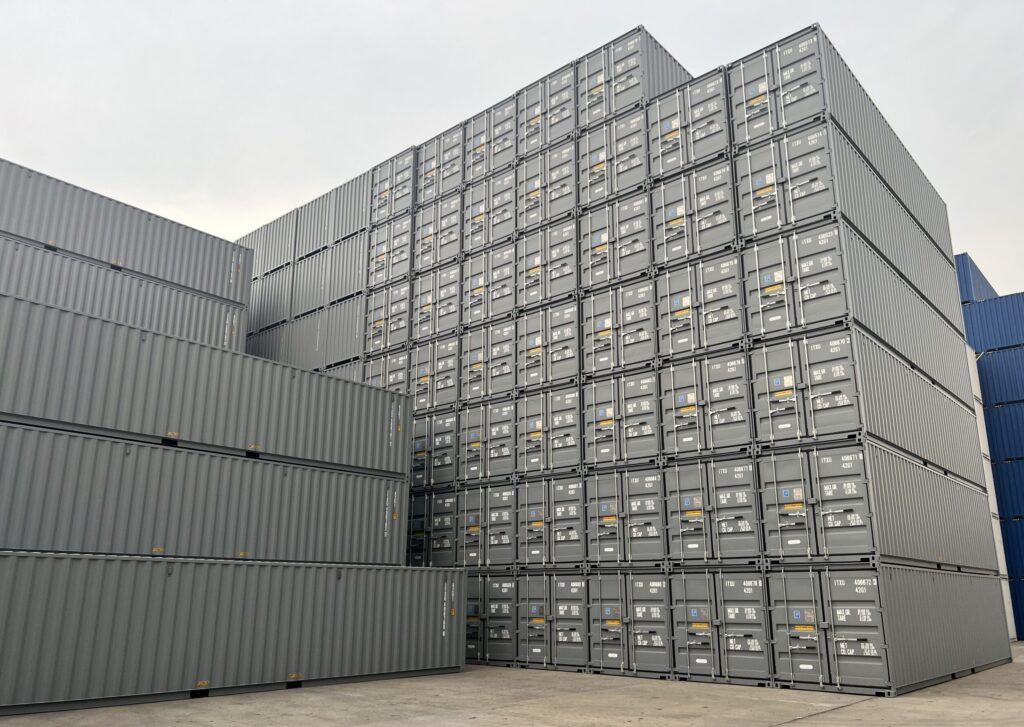
One of the most common mistakes is starting with a container that does not fit the intended application.
A
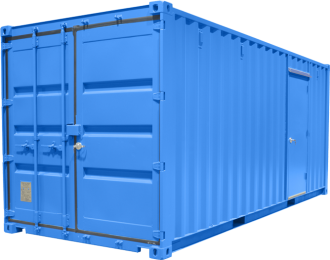
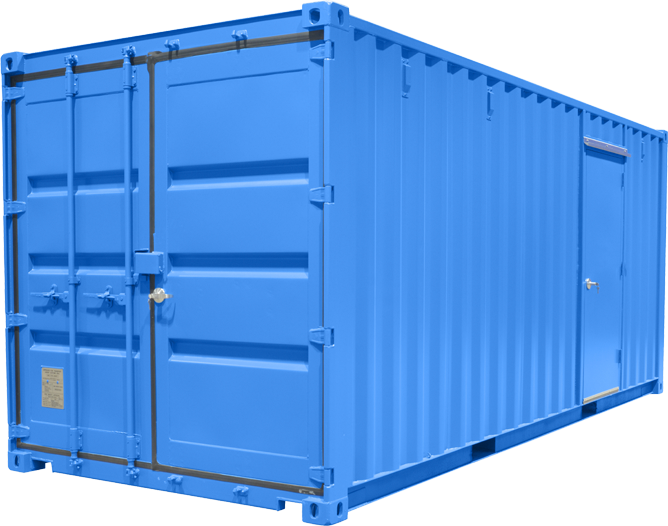
20-foot container may be ideal for a compact storage or workspace solution, while a
40-foot container may provide the additional room needed for equipment, workstations, or larger operations.
High-cube containers can provide additional interior height, while specialty configurations may offer features better suited to specific applications.
The container should be selected based on how the finished space will be used, not simply on availability or initial cost.
How to Avoid It
Start by defining the application and creating a basic layout before selecting the container. Consider:
- How the container will be used
- How much usable interior space is required
- Whether people will regularly occupy the space
- What equipment or materials need to fit inside
- Whether climate control is necessary
- Whether the container may need to be relocated
Selecting the right container from the beginning can prevent expensive modifications or compromises later in the project. At Interport, we encourage customers to visit our yard, choose their container, and meet with the modification team before production begins.
2. Adding Doors and Windows Without Planning the Overall Layout
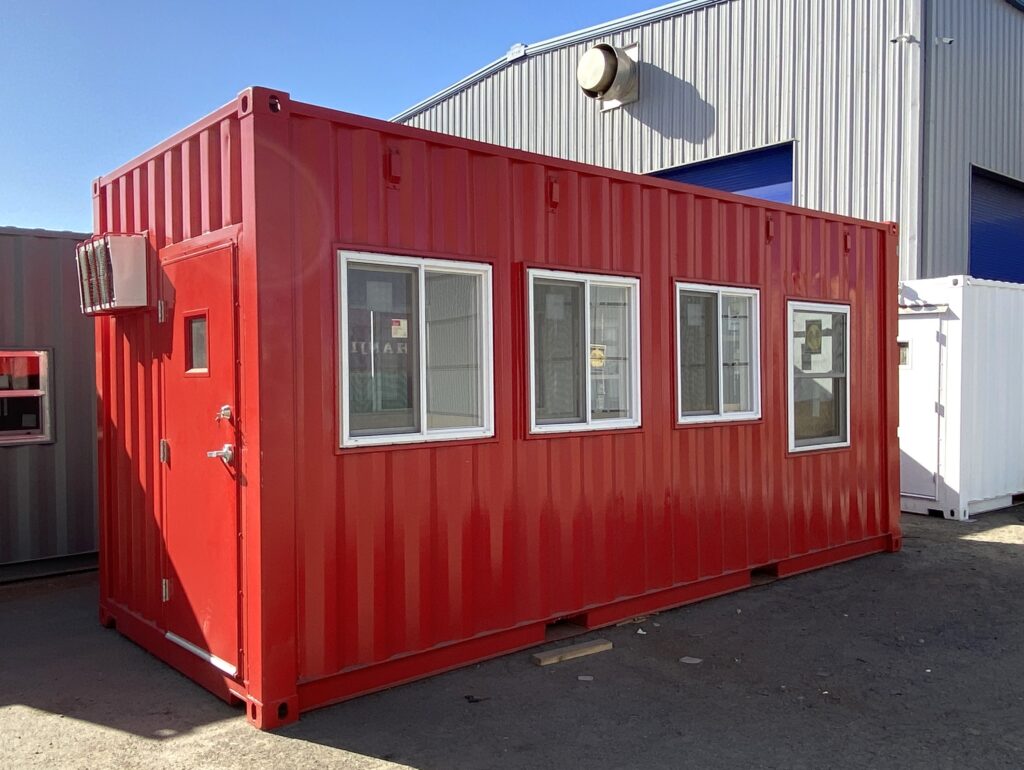
Doors, windows, roll-up doors, and other openings can make a container significantly more functional. However, their placement should be considered as part of the overall design.
Adding an opening without thinking about what will be located inside can create problems later. A door could interfere with shelving or equipment, while a poorly positioned window may provide limited practical benefit. Modifications also need to account for the container's existing structural framework.
How to Avoid It
Develop the overall layout before deciding where modifications should go. Think about how people, equipment, and materials will move through the space.
Consider:
- Personnel and equipment access
- Door and window placement
- Interior partitions
- Equipment locations
- Shelving and storage
- Electrical requirements
- HVAC placement
- Available wall space
Interport’s expert team can help suggest, plan, and design custom shipping container modifications that include
personnel doors, roll-up doors, windows, vents, and other access features. By considering entry points, natural light, airflow, equipment access, and interior layout together, Interport can help to create a modified container that is more functional, efficient, and better suited to its intended application.
3. Overlooking Insulation and Climate Control
A steel shipping container provides a strong and weather-resistant enclosure, but that does not automatically make it suitable for use as an occupied or temperature-controlled space.
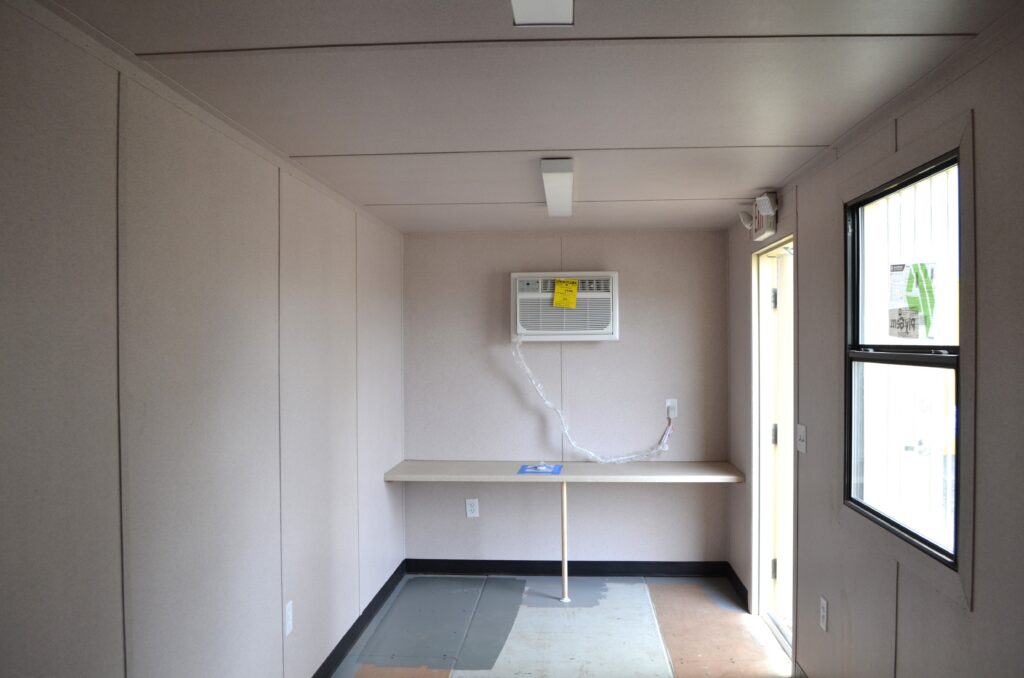
Containers can become extremely hot or cold depending on the environment. If the finished container will function as an office, workspace, control room, classroom, or equipment facility, insulation and climate control should be considered from the beginning.
Waiting until after the container has been modified can make it more difficult to integrate these systems efficiently.
How to Avoid It
Determine the environmental requirements of the application before designing the interior.
Ask:
- Will people regularly work inside the container?
- What temperatures need to be maintained?
- Will equipment generate heat?
- Is ventilation required?
- Will the container be exposed to extreme temperatures?
- Is protection from condensation or humidity important?
Depending on the application, options can include
insulation,
HVAC systems,
ventilation, and other climate-control features.
Interport offers customized HVAC and insulation solutions that can be incorporated into modified containers, helping create environments that are more comfortable and better suited to their intended use.
4. Treating Electrical and Interior Features as an Afterthought
A container may have a relatively simple exterior, but the interior can become highly complex once it is converted into a functional workspace or specialized facility.
Lighting, electrical outlets, HVAC systems, shelving, partitions, equipment, and workstations all need to fit within a limited amount of space. Installing each component independently without considering the overall layout can result in an inefficient design.
How to Avoid It
Design the interior as one integrated system.
Before modifications begin, consider:
- Electrical outlets and equipment connections
- Lighting locations
- HVAC equipment
- Shelving and storage
- Workstations
- Interior partitions
- Wall finishes
- Equipment clearances
- Personnel movement
Interport can recommend and incorporate electrical systems, lighting, shelving, partitions, insulation, and other
interior features into custom container builds.
5. Ignoring Delivery and Site Requirements
Even the best-designed container can create problems if it cannot be delivered or positioned properly at the destination.
A customized container still needs to reach the site, and access can become more complicated when dealing with narrow entrances, overhead obstructions, limited turning space, uneven ground, or restricted placement areas.
How to Avoid It
Evaluate the site before finalizing the container design.
Consider:
- Entrance and roadway width
- Overhead wires and other obstructions
- Turning radius
- Ground conditions
- Placement area
- Required clearance around the container
- Delivery equipment
- Final positioning requirements
Planning delivery early can help identify potential obstacles before the container is built and prevent unexpected costs or delays during installation.
Start With the Application, Not the Container
The most successful container modification projects begin with a clear understanding of what the finished space needs to accomplish.
Rather than starting with a container and determining what can be done with it afterward, start with the application. Consider how the space will be used, who will use it, what equipment it needs to accommodate, what environmental conditions it must handle, and where it will ultimately be installed.
That information can then guide decisions about container size, configuration, doors, windows, insulation, HVAC, electrical systems, security, and interior finishes.
Build the Right Container From the Start
Shipping containers offer a flexible foundation for creating durable, purpose-built spaces, but successful modification depends on thoughtful planning. By addressing container selection, structural modifications, climate control, interior design, and delivery requirements before work begins, businesses can avoid common problems and get more value from their investment.
Planning a modified shipping container? Don’t go custom alone. Partner with Interport’s experienced sales and modification team to choose the right container, plan smarter, avoid costly mistakes, and build a container solution that fits your application from the start. Backed by years of industry expertise, Interport can guide you through container selection, custom design, efficient and cost-effective modifications, fabrication planning, and delivery logistics. Get a quote today or explore
Interport's custom container solutions to get started.
Frequently Asked Questions About Shipping Container Modifications
How do I know what container size I need?
Start with the container’s intended use, then estimate the usable interior space needed for people, equipment, storage, clearances, and future growth. Standard options include 20-foot, 40-foot, and 40-foot high-cube containers. A 20-foot unit may suit compact storage or workspace needs, while a 40-foot or high-cube container can provide additional floor space or interior height. Interport can help translate your layout and application requirements into the right size and configuration.
Do I need a new or used container for my modification?
Both new and used containers can be modified. New, or one-trip, containers typically offer a cleaner appearance and minimal wear, which may be preferred for highly visible, customer-facing, or finished container modification projects. Used cargo-worthy or wind-and-watertight containers can be a practical, cost-effective choice for storage, equipment enclosures, and many custom applications. The best option depends on your budget, appearance expectations, structural requirements, and intended use.
What are the most common shipping container modifications?
Common modifications include paint, personnel doors, roll-up doors, windows, vents, insulation, HVAC systems, lighting, electrical outlets, shelving, partitions, wall finishes, and security features. The right combination should be planned as one integrated system based on how people, equipment, and materials will use the space.
Do modified shipping containers need insulation or climate control?
It depends on the application and environment. If people will regularly occupy the container, equipment will generate heat, stored materials are temperature-sensitive, or the site experiences extreme temperatures or humidity, insulation, ventilation, HVAC, and condensation control should be considered before fabrication begins.
How should I prepare my site for container delivery?
Choose a firm, dry, level placement area such as pavement, gravel, or hard dirt, and confirm that the delivery route has adequate entrance width, turning space, overhead clearance, and stable ground. Delivery method also matters: some trailer types require a forklift or crane at the site, while a tilt-bed trailer may place the container directly. Reviewing access and positioning requirements with Interport before finalizing the build can help prevent delays and unexpected costs.
Read more >







 Education